University of Maryland Eastern Shore (UMES) in collaboration with Maseno University held a Training on Post-harvest Management: The Case of Mycotoxins Management
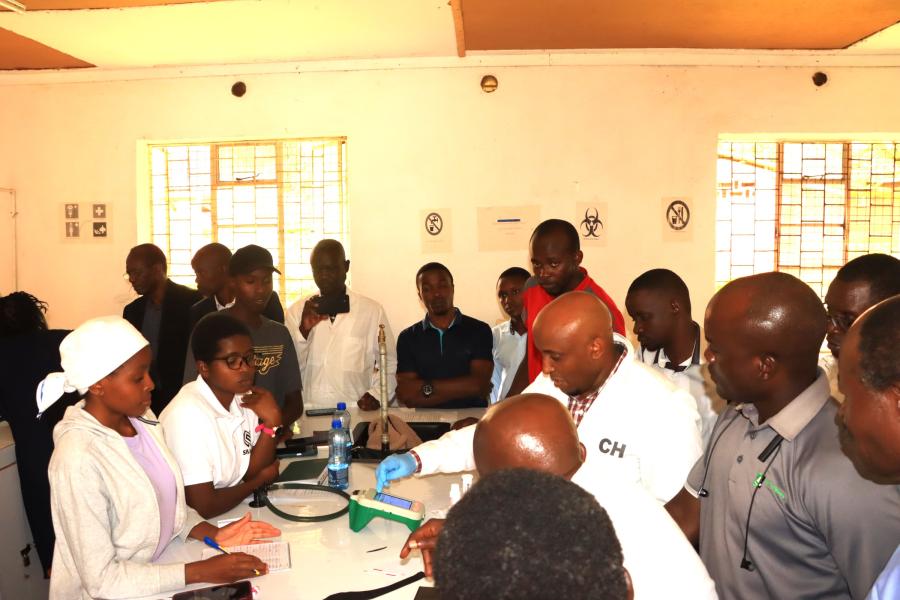
Maseno University and the University of Maryland Eastern Shore (UMES) have jointly trained postgraduate students and faculty on aflatoxin and maize post-harvest management, as part of a project to strengthen food-security capacity in East and Southern Africa.
A partnership built on food security. Maseno University (MSU) and UMES hold an active memorandum of understanding. Under it, the two institutions are implementing the project Strengthening the Capacity of the Partner Institutions to Address Global Food Security in East and Southern Africa: The Case of the Democratic Republic of Congo and Kenya. The project is funded by the 1890 Universities Center of Excellence for Global Food Security and Defense (CEGFSD) and led at Maseno by Prof. Fredrick Aila as Principal Investigator.
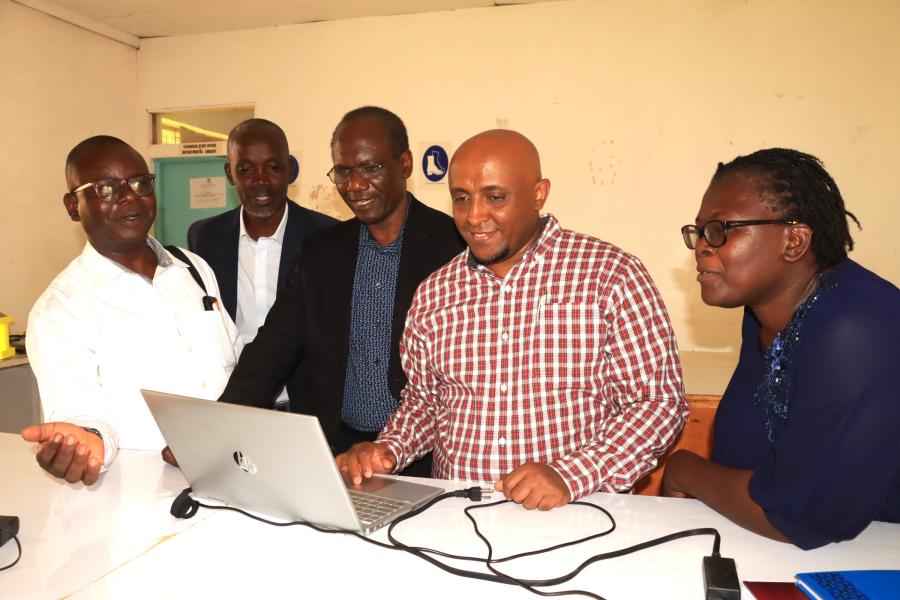
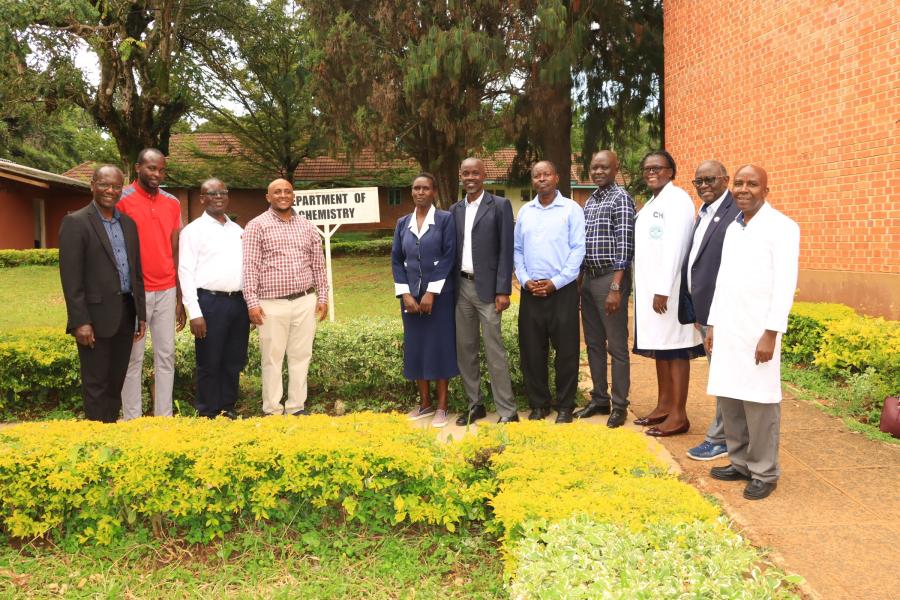
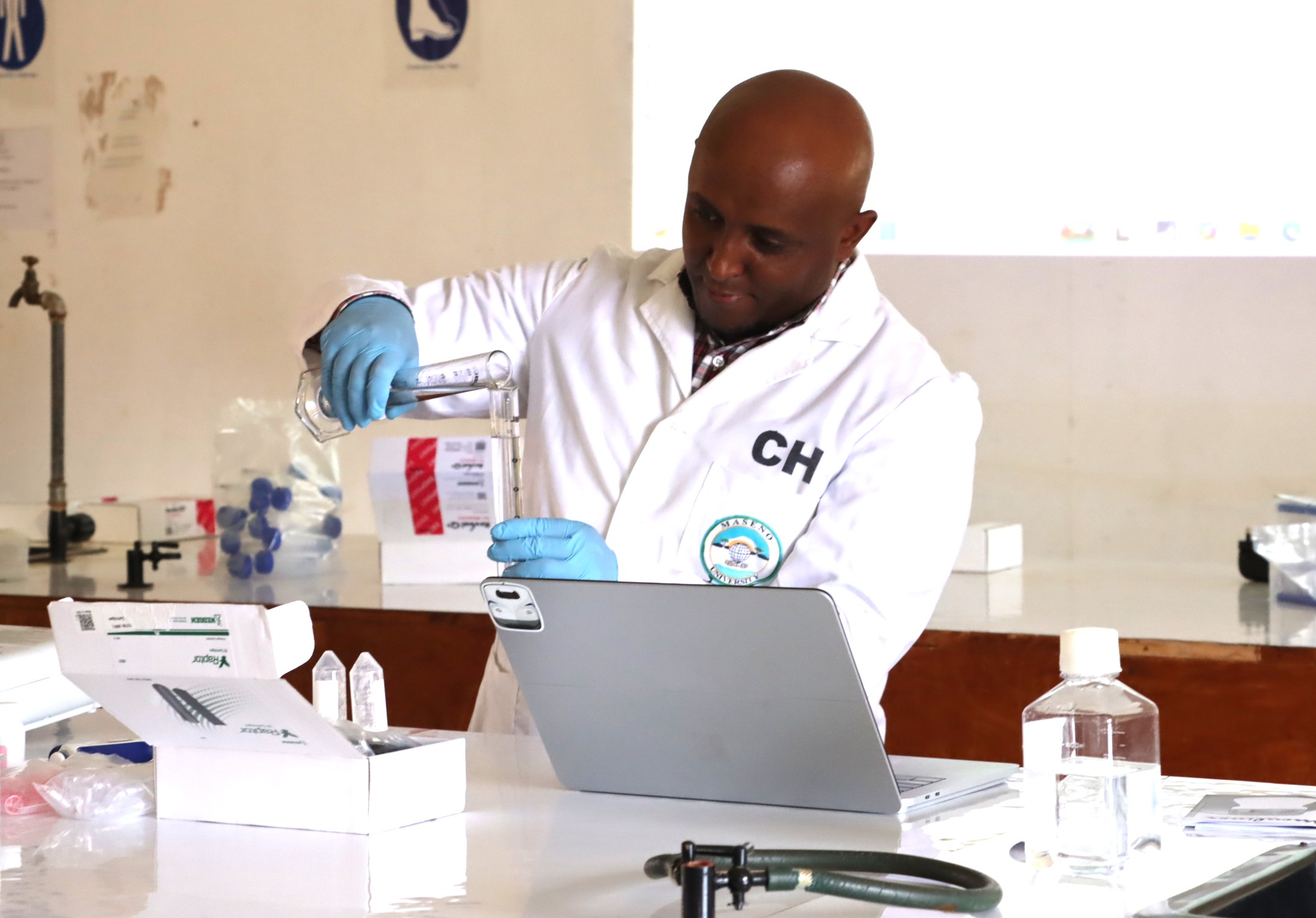
As part of this work, Maseno hosted a joint training on aflatoxin and maize post-harvest management. It brought Maseno postgraduate students and faculty together with the visiting UMES team. The sessions focused on mycotoxins, the toxic compounds produced by moulds that contaminate staple crops such as maize.
Courtesy call on the Vice-Chancellor's office
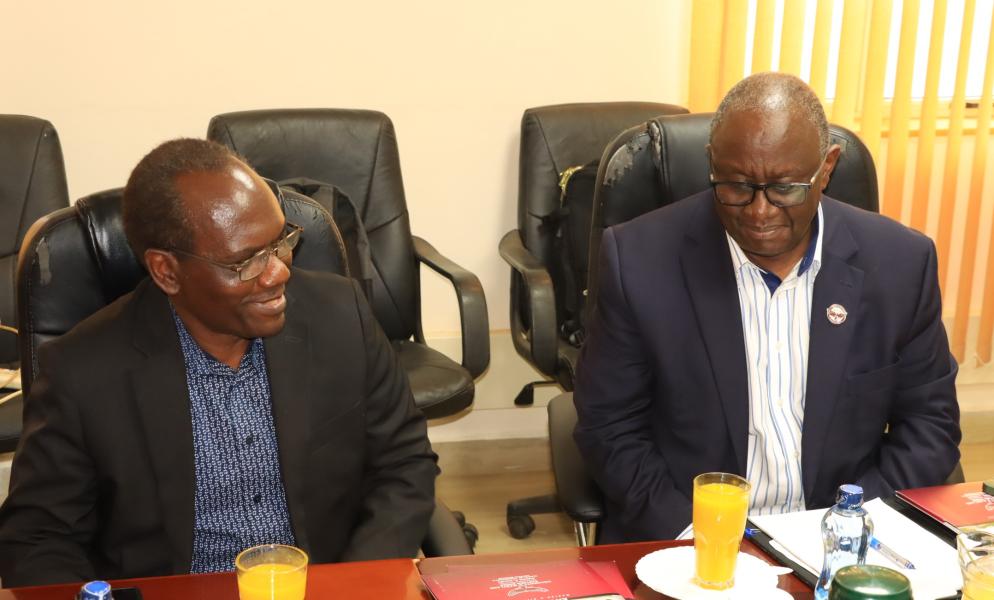
The UMES research team paid a courtesy call on the University's leadership in the Vice-Chancellor's boardroom. Prof. Fredrick Aila the Principal Investigator to the project gave a project brief, and Prof. Nindo, introduced the UMES team amongest was Dr. Moses Kairu the project lead who made his remarks.
The Acting Vice-Chancellor, Prof. Erick Nyambedha, then made his remarks. He said the University stands ready to support any initiative that builds skills, strengthens capacity and helps establish a hub of excellence. Such efforts, he noted, gives the institution International exposure and create impact for the Nation and the World. An open session on the way forward followed.

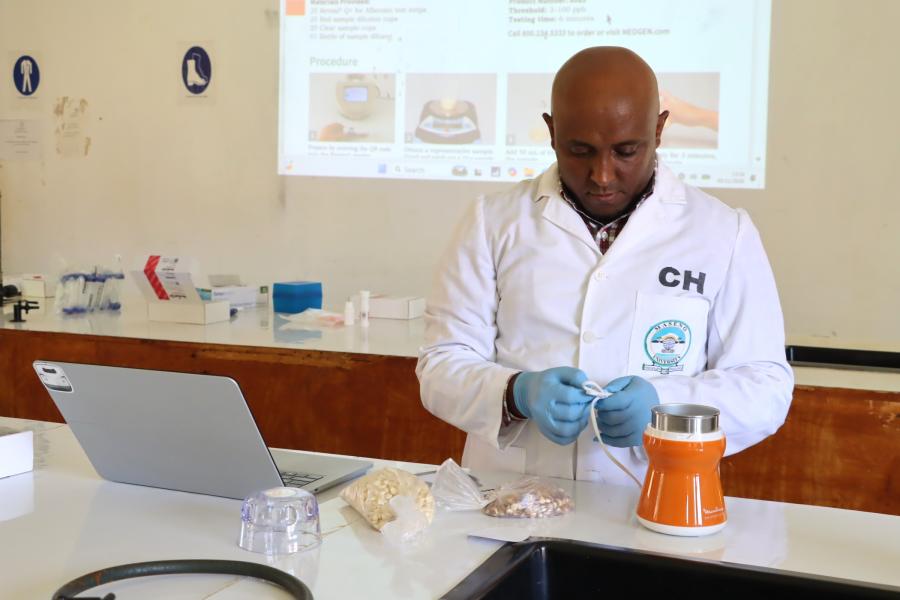
Understanding the problem: where contamination begins
Dr. Simon Zebelo of UMES led the sessions on crop protection and mycotoxins. He explained that fungal infection can occur at any stage, from the field through harvest, transport, storage and milling, and that spores can lie dormant for months or years. Humidity above 70%, temperatures around 30°C, grain moisture above 18–20% and crop damage or stress favour toxin production, and "wet" grain in storage is the main route to further build-up.
Moisture: the first line of defence
Prof. Caleb Nindo, Professor and Program Director at the 1890 CEGFSD, focused on post-harvest preservation. Post-harvest losses in Africa typically reach 15–30% for cereals, driven by poor drying, insects, mould, rodents and weak storage and transport infrastructure. His central message was that moisture management comes first. Maize should be dried quickly to 13% moisture or below before storage, and moisture should be measured routinely. Grain above 16% is unsafe, and grain at 14–16% needs further drying. Tarpaulins, raised drying platforms and solar or mechanical dryers all improve on drying directly on the ground, which risks contamination and re-wetting when it rains.