
Role of Young Professionals in the Realization of the Promise of the Constitution of Kenya, 2010
Young Professionals Urged to Turn Kenya’s Constitutional Promise into Lived Reality.
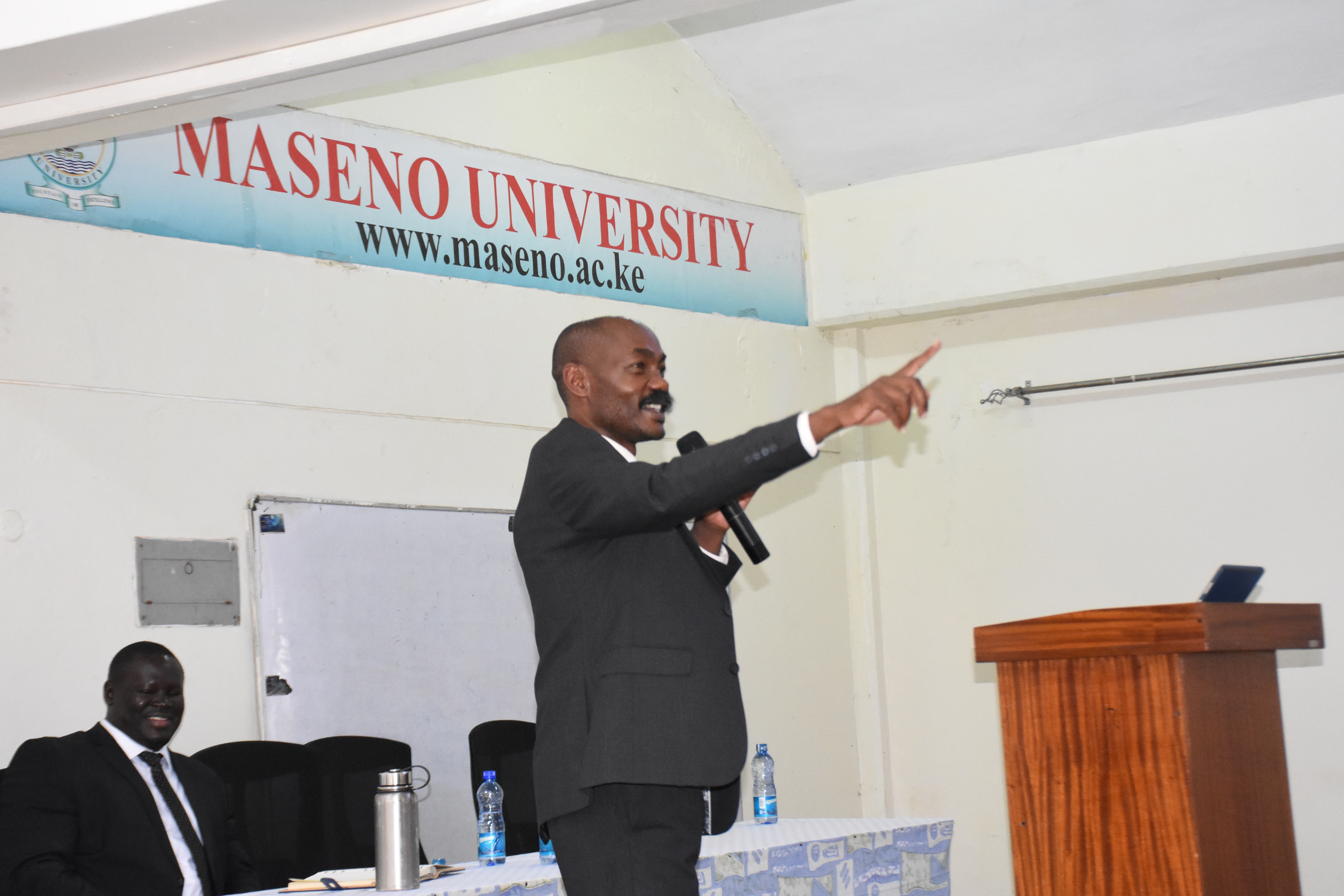
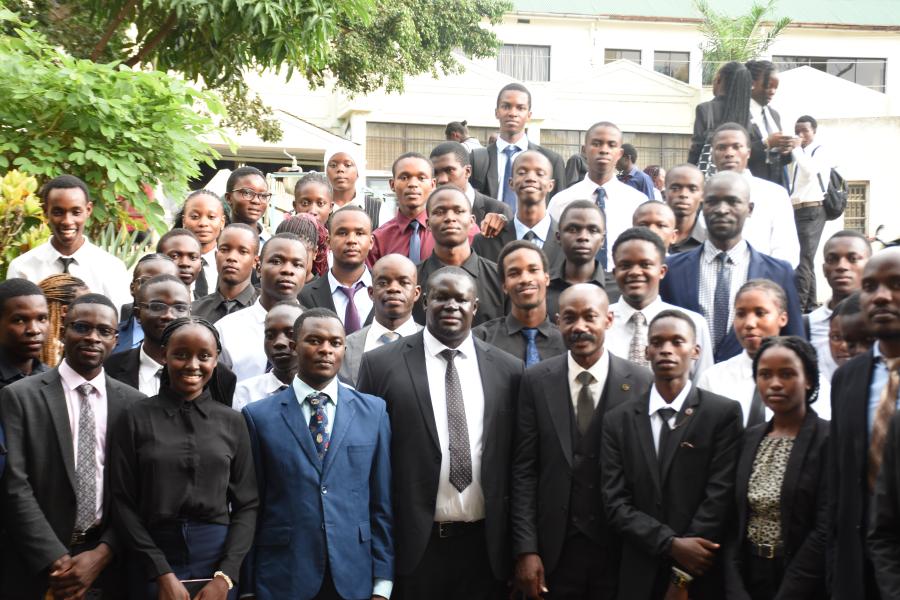
Speaking to students of Maseno University School of Law on 18th September 2026, Mr. Elisha Z. Ongoya, SC, emphasised that professional education should go beyond academic excellence to develop individuals who understand their responsibility to society. Mr.Ongoya observed that law students are already undergoing professional formation, even before completing their degrees or being admitted to the Bar. He noted that their experiences in classrooms, libraries, discussions and academic engagements are shaping the professionals they will eventually become.
His address, titled “The Role of Young Professionals in the Realisation of the Promise of the Constitution of Kenya, 2010,” focused on the responsibilities that come with professional knowledge and influence. He noted that the Constitution, now 16 years old, contains principles that have become familiar to the younger generation, including devolution, the Bill of Rights, public participation, judicial independence and constitutional commissions. However, he reminded the students that these provisions emerged from generations of struggles for freedom, justice, democracy and constitutional reform.
Mr.Ongoya also stated that the constitutional promise is reflected across the Constitution, including Article 10, which sets out national values and principles such as the rule of law, democracy, human dignity, equity, social justice, equality, human rights, good governance, integrity, transparency and accountability. He also highlighted Article 55 on the rights and participation of young people and Article 73, which establishes public office as a public trust.
He explained that the Constitution represents more than a collection of legal provisions. It provides a vision of the kind of society Kenya seeks to become. The challenge, therefore, lies in bridging the gap between constitutional text and everyday experience. “The Constitution, after all, has one serious practical limitation: it has no hands,” Mr.Ongoya said, stressing that constitutional principles require people and institutions to put them into practice.
Mr.Ongoya further emphasised the importance of critical education, drawing on the ideas of former Chief Justice Willy Mutunga, Professor Issa Shivji and former South African President Thabo Mbeki. He urged young professionals to recognize that their responsibility extends beyond the legal profession. According to Mr. Ongoya, constitutionalism is often tested not through dramatic moments but through ordinary professional decisions. He warned students against gradually becoming accustomed to practices that conflict with constitutional principles. Small compromises, he said, can eventually become institutional culture, even when the Constitution itself remains unchanged.
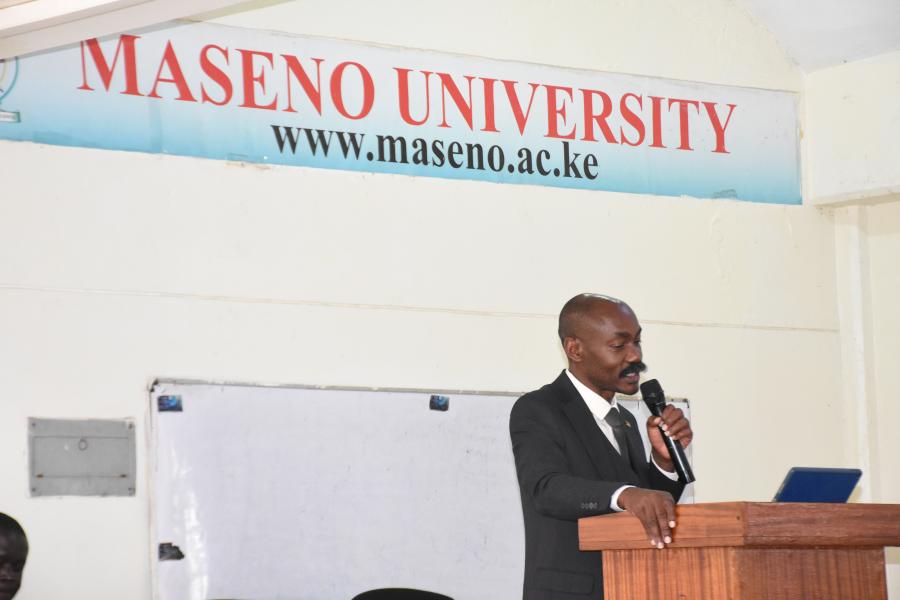
He also challenged young people to reject the idea that leadership and responsibility belong only to the future. He noted that young people are citizens now and that habits of integrity, fairness, democratic participation and intellectual independence begin while they are still students. “A career answers the question, ‘What did I become?’ A life of significance asks the more difficult question, ‘What became different because I was there?’” he said.
He concluded by reminding the students that their generation has inherited the Constitution and must help make its promises meaningful in the ordinary lives of Kenyans. He urged the students to understand, question, defend, practise and improve the constitutional framework.