
Maseno University Takes Lead in Demystifying Nuclear Energy
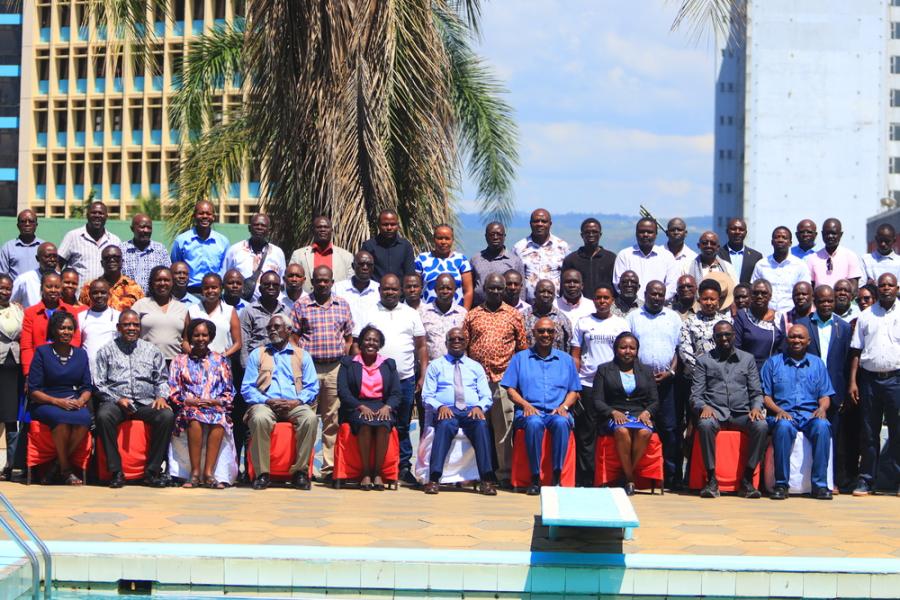
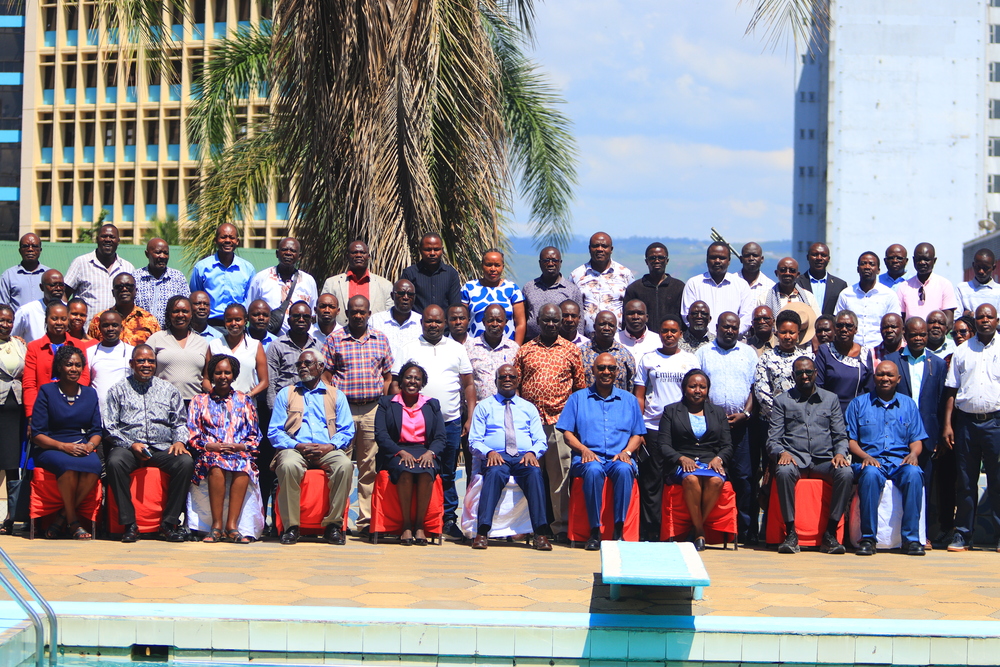
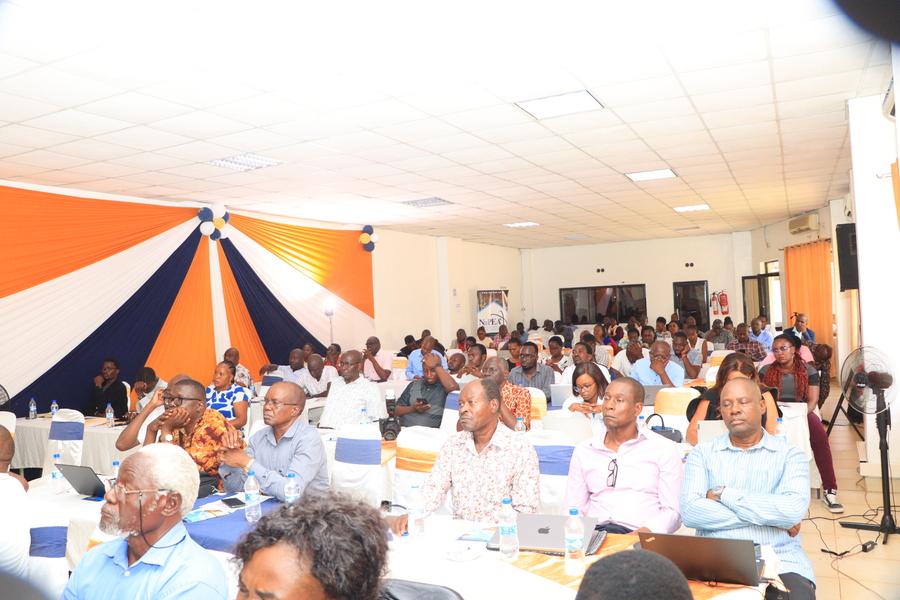
Maseno University is taking a leading role in clarifying nuclear energy and shaping public understanding of Kenya’s nuclear power ambitions. Experts, researchers and other stakeholders met at Maseno University at its Kisumu Hotel, in Kisumu County on Friday 30th Oct, 2026 to examine the opportunities, concerns and implications of adopting nuclear power in the country.
The town hall sought to strengthen the role of higher education institutions in providing scientific evidence, addressing public concerns and shaping national conversations on the country’s energy transition. It brought together representatives from the Nuclear Power and Energy Agency (NUPEA), Kenya Electricity Generating Company (KenGen), Civil society Organisations and the Academia.
A call for scientific integrity
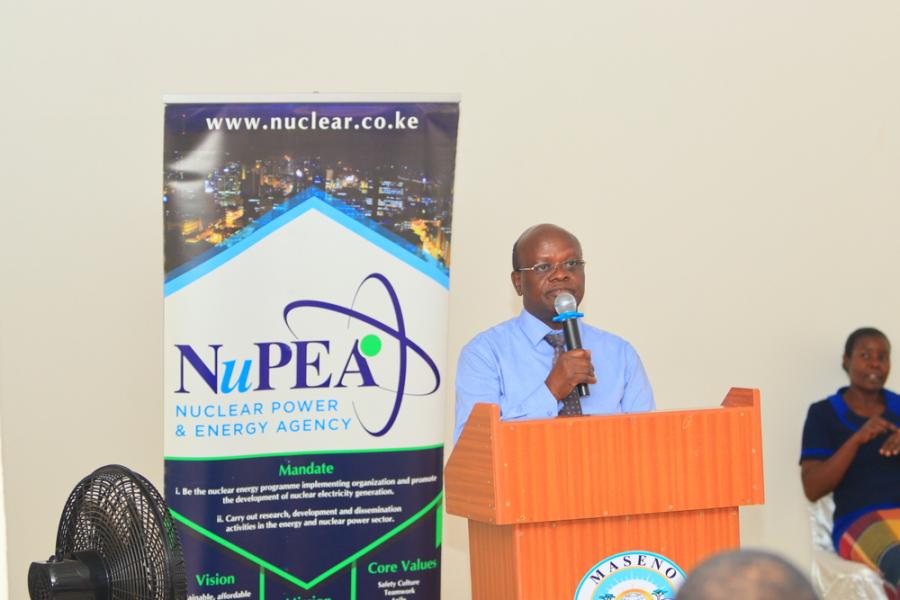
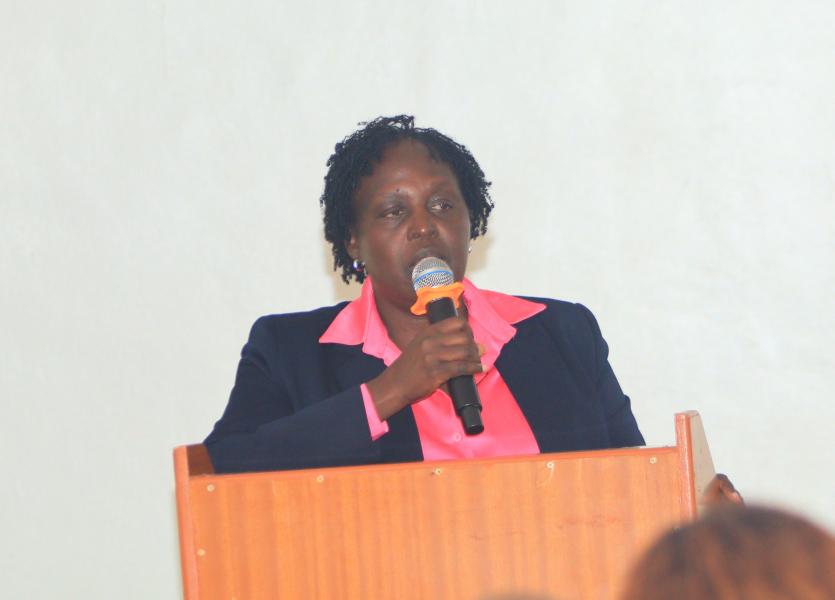
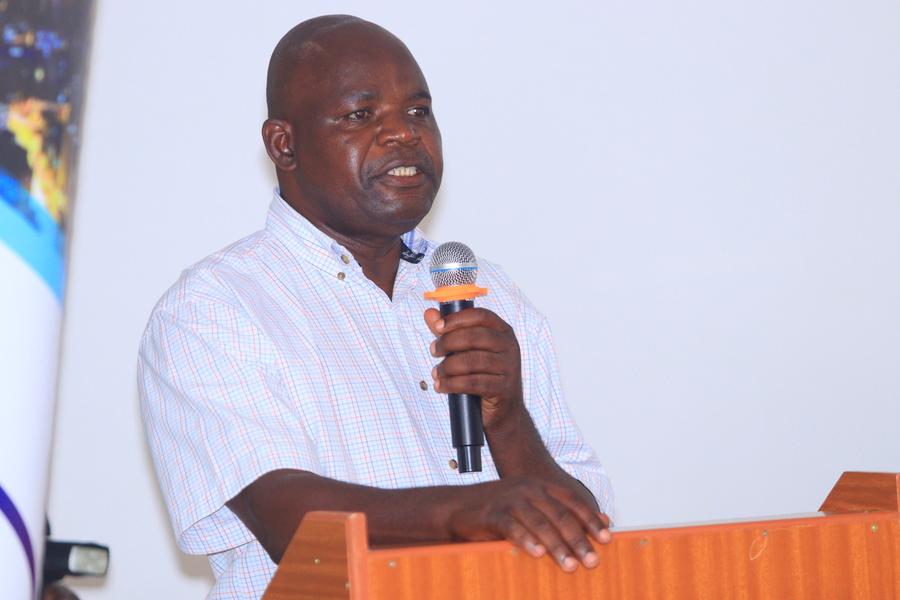
Maseno University’s Prof. David Ongarora, Deputy Vice-Chancellor Administration, Finance & Development challenged academics to maintain scientific integrity in the national dialogue. “Academics must approach the nuclear energy debate objectively. Independent, evidence-based research is vital in determining our country’s true preparedness to pursue nuclear power,” he said.
Prof. Ongarora added that the university remains committed to strengthening collaboration with peer institutions to bridge the gap between scientific research, policymaking and public understanding.
Programme, safety and applications
Nuclear energy experts presented on the national nuclear programme, the International Atomic Energy Agency’s (IAEA) milestones approach, site selection, safety standards and radioactive waste management. They also discussed applications of nuclear technology in medicine, agriculture and industry.
Environmental concerns on Lake Victoria
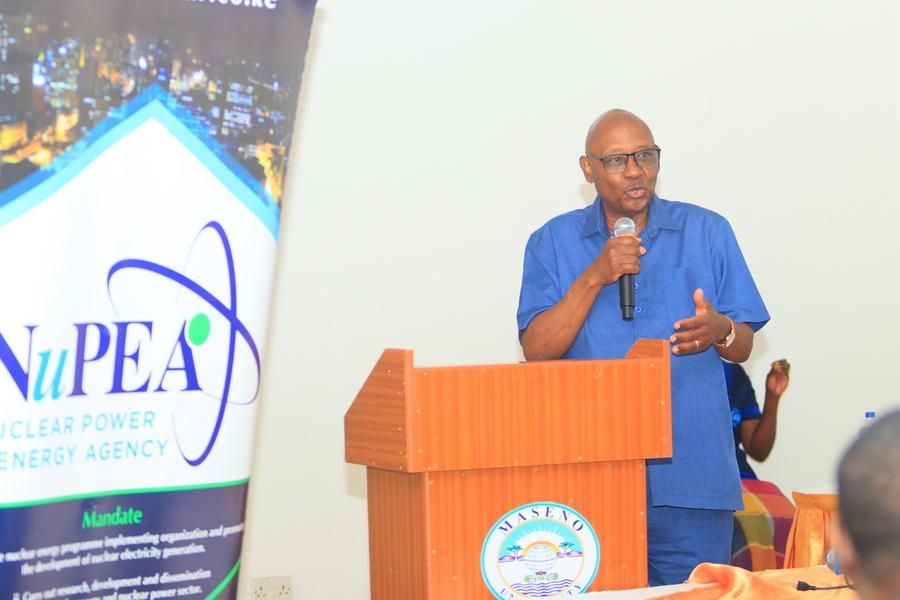
During the interactive session, a participant raised concerns about the thermal impact of a nuclear plant on local ecosystems, asking: “What are the possible effects of heated water discharged from a nuclear power plant into Lake Victoria, particularly regarding its impact on dissolved oxygen levels and aquatic life?”
The participant urged nuclear energy planners to partner directly with academic institutions in the Lake Region on independent studies and computational modelling to establish the potential environmental implications. Academics also called on programme officials to allocate resources to locally driven studies rather than rely entirely on external funding.
Community and livelihood questions
Participants also raised concerns about radioactive waste management, public safety and the potential impact of the proposed nuclear power project in Siaya County on surrounding communities and their livelihoods.
Officials said that where relocation is required, a comprehensive Resettlement Action Plan will be mandatory. An independent consultant will be contracted to assess all socioeconomic implications and recommend robust measures to protect the livelihoods of affected communities.
Role of KenGen and avenues for collaboration
KenGen’s presentation highlighted the strategic role of nuclear power in complementing existing renewable energy sources, meeting growing electricity demand and driving industrialisation. The agency also outlined avenues for academic collaboration, including curriculum development, research partnerships, internships and technical training.
Next steps
To institutionalize these efforts, the meeting proposed two measures:
- A steering committee to coordinate Maseno University-led activities on nuclear energy and technology.
- Operationalization of a Nuclear Liaison Office at the University’s Kisumu Campus.
These initiatives are expected to provide a dedicated platform for ongoing research, information exchange, academic collaboration and community engagement.
As Kenya advances discussions on its nuclear energy programme, the town hall underscored the need for public understanding grounded in credible scientific evidence, independent research and meaningful participation.
For Maseno University, the engagement is an opportunity to move beyond academic discussion and contribute directly to the national conversation on the future of nuclear energy in Kenya.